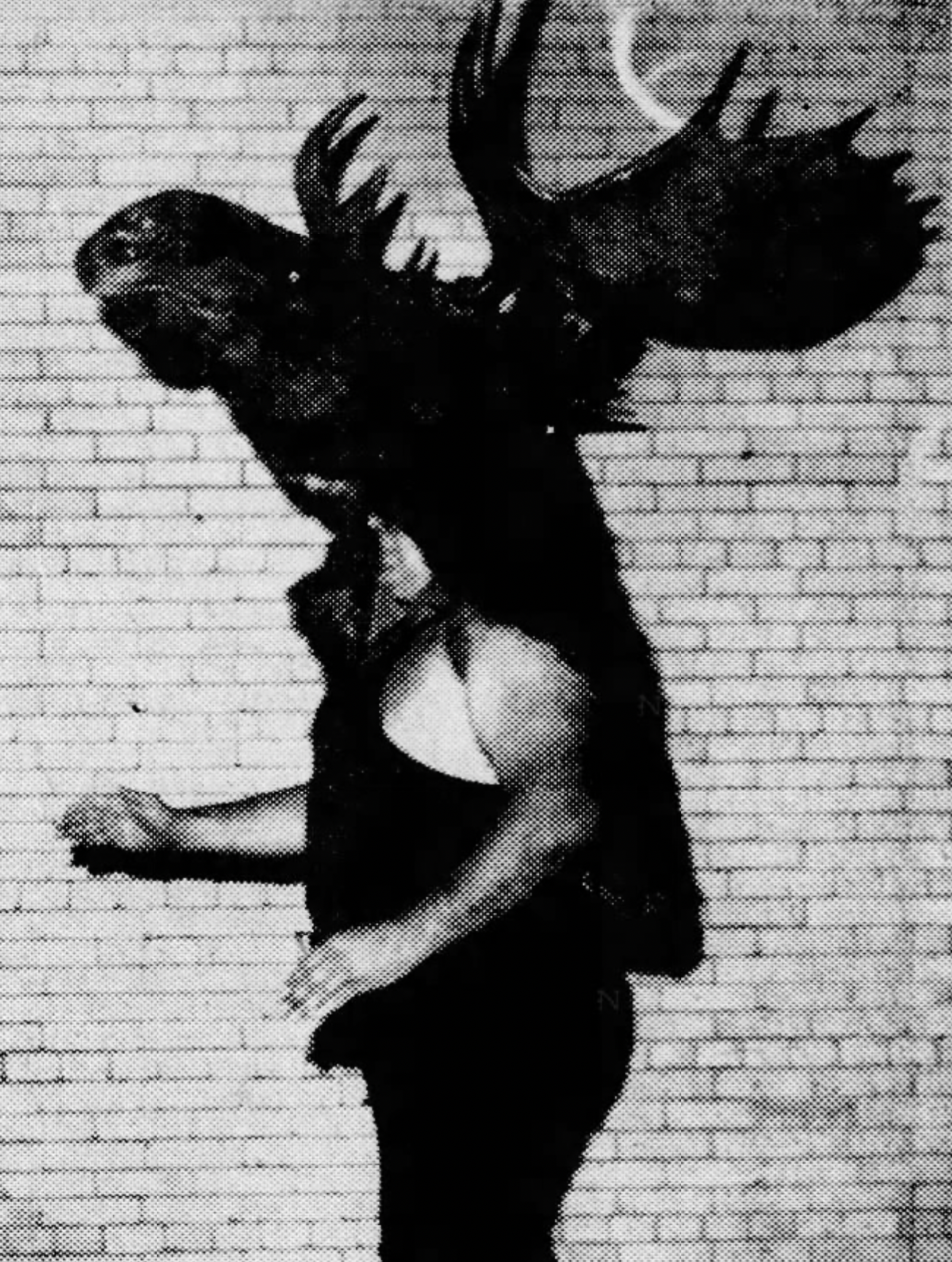
By the time Betty Jo Hawkins laced her boots for the last time in 1959, her bones were already betraying her. Arthritis crept in like an old debt collector—unwelcome, but inevitable. Still, for over a decade, Hawkins fought with the sort of furious grace that made ring rats swoon, trainers marvel, and promoters take notice. In an era when women’s wrestling was more sideshow than spotlight, Hawkins didn’t just work matches—she survived them.
Born Elizabeth J. Floyd in Boyd, Kentucky, on October 22, 1930, she was raised in a town that measured women by how quiet they were, not how hard they hit. But Betty wasn’t built for silence. By age ten, she was diagnosed—mistakenly—with polio. In truth, it was rheumatoid arthritis clawing at her joints, turning everyday movements into painful trials. Most girls would have given up on athletic dreams. Betty got into weightlifting.
She moved like a question mark in a world of exclamation points—tough, uncertain, but always forward. Her salvation came not through medicine, but through movement. And when she discovered pro wrestling, it wasn’t glamour that called her. It was freedom.
TRAINED BY FIRE
She found her way to Columbus, Ohio, where the legendary Ella Waldek sharpened her into something formidable. Waldek didn’t train daffodils—she trained wrecking balls. Hawkins debuted in 1948, a 17-year-old girl with joints like sandpaper and the kind of chip on her shoulder that could crack pavement.
She found success early in Florida. Wrestling under names like Betty Floyd and Betty Hawkins before settling on the ring moniker that stuck—Betty Jo Hawkins—she became a fixture in the Sunshine State. In 1952, she won her first NWA Florida Women’s Championship, wrestling with pain in her elbows and fire in her eyes. She’d win that title three times, holding it with the quiet intensity of someone who knows their body’s clock is ticking faster than the rest.
TAGGING OUT, DIGGING IN
If singles matches were marathons, tag matches were lifelines. With her arthritis worsening, tag team bouts gave Hawkins the chance to work smart. She’d hit hard, tag out, breathe, then hit again. She wasn’t just brawling her opponents—she was managing her own body like a failing engine she refused to scrap.
Her most famous partnership came with Penny Banner. They were a classic pairing—Banner, the charismatic athlete; Hawkins, the grizzled technician with pain behind her eyes. Together they claimed the NWA Women’s World Tag Team Championships in 1956 and took their act north, where Stu Hart dubbed them Canadian champions in Alberta.
They weren’t just partners in the ring. They were friends off it. Sisters in a circus of suplexes. Banner once told the story of Hawkins getting slapped by her husband, Brute Bernard, in a fit of rage. Banner jumped on his back without a second thought. That wasn’t showmanship. That was sisterhood.
LOVE AND VIOLENCE
Betty Jo Hawkins married Brute Bernard, a wildman in and out of the ring. Their union was a cocktail of chaos and codependence—fueled by passion, marred by violence. Bernard was the kind of man who made more enemies than friends, and Betty Jo bore the brunt of that instability. Their son, Tony, saw it all. Heard it. Lived it. Wrestling may have given her purpose, but her personal life often read like the darkest chapters of a noir script.
When Bernard died in 1984 of a self-inflicted gunshot, no one could say for certain whether it was suicide or a twisted accident. Some whispered Russian roulette. Others said it was just another act in a violent play that had long since lost its audience.
FAREWELL TO THE FIGHT
The arthritis never truly left. It lingered in her joints like ghosts that wouldn’t stop rattling the chains. By her early 30s, the pain became too much. The ring—once a sanctuary—turned into a battlefield she could no longer cross. She retired in 1959, a decade too early, her best years stolen by a body that betrayed the mind’s will.
She lived out her later years in Charlotte, North Carolina, her health fading like old photographs in a shoebox. On December 4, 1987, she died of a heart attack at just 57 years old. Her funeral didn’t make headlines, but those who knew her—truly knew her—understood what was lost.
THE LEGACY OF A QUIET STORM
Betty Jo Hawkins never headlined Madison Square Garden. She wasn’t a household name. She didn’t kiss babies, win slammies, or cut promos about destiny. She was grit and tape, pain and pride. She was every woman who was told “you can’t” and still did anyway.
Her legacy isn’t in the titles, though she had them. It’s not in the feuds, though she fought them. It’s in the quiet defiance. In the girl from Kentucky who couldn’t move without pain—but moved anyway. In the woman who bled between the ropes and smiled when she shouldn’t have. In the wrestler who chose to live inside a ring that tried to kill her.
Betty Jo Hawkins was a storm in slow motion. And the sport is quieter without her.